
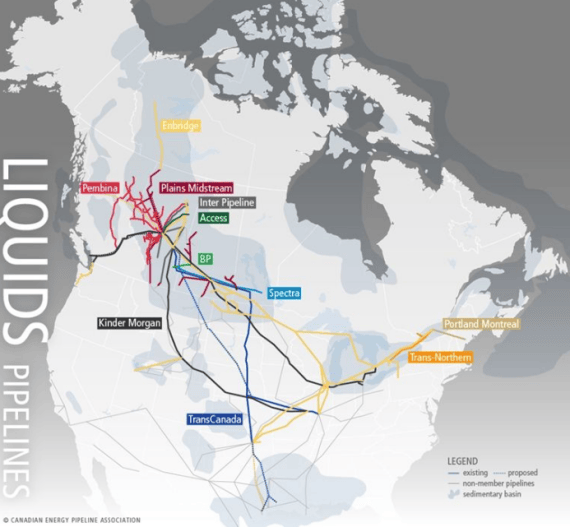
Canadian midstream infrastructure is having a moment. Over $60 billion in secured growth backlogs across pipeline and processing projects, with more expected through 2026. Investor confidence is high, and capital is flowing. But here’s what matters more than the deal announcements: what happens after the steel goes in the ground. Midstream asset valuations don’t hold up on construction alone. They hold up when facilities start reliably, operate predictably, and deliver the cash flows that justify the investment. The gap between mechanical completion and true operational readiness is where value either gets locked in or bleeds out. THM Technical Services operates in exactly that space, ensuring that commissioning and turnover protect the valuations that capital markets are betting on.
What’s Driving Midstream Valuations Higher
Valuations rise when risk drops. Investors pay premiums for assets that generate predictable returns over decades, not facilities that struggle through startup or face integrity issues within the first year of operation.
Why Midstream Infrastructure Commands Premium Valuations:
- Stable or growing production volumes that fill capacity
- Improved export access creating long-term throughput visibility
- Predictable cash flows backed by take-or-pay contracts
- Long-life, low-decline assets that function like utility systems
- High barriers to entry protecting competitive positioning
These factors create the investment thesis. But execution quality determines whether that thesis plays out or falls apart during commissioning.
Where Valuation Risk Hides
The market sees a completed pipeline or processing facility as a done deal. But operators know better. Between construction handover and stable operations, there’s a critical window where problems surface.
Common Execution Gaps That Erode Value:
| Gap | Valuation Impact |
| Incomplete commissioning | Delayed revenue, extended startup costs |
| Poor turnover documentation | Operational uncertainty, higher maintenance risk |
| Unresolved punchlist items | Safety exposure, regulatory scrutiny |
| Systems not ready for service | Lost throughput, customer penalties |
| Integrity issues discovered post-startup | Unplanned shutdowns, capital rework |
Each of these problems translates directly into delayed cash flow, higher operating costs, or reduced asset life. Investors price in assumptions about when facilities will start and how reliably they’ll run. When those assumptions don’t hold, valuations take a hit.
Why Commissioning Quality Matters More Now
Higher valuations bring higher expectations. As midstream infrastructure attracts more capital and scrutiny, the tolerance for execution gaps shrinks. Projects that might have limped through startup five years ago won’t fly in today’s environment.
What Higher Valuations Demand:
- Flawless project delivery with clear documentation trails
- Tight turnover expectations that don’t leave operations guessing
- Stronger focus on integrity and uptime from day one
- Zero tolerance for commissioning delays that push revenue timelines
- Assets delivered truly ready for service, not “good enough for now”
This isn’t about perfectionism. It’s about protecting the investment thesis. When a facility starts cleanly, operates predictably, and avoids early-life failures, it validates the valuation. When it doesn’t, the market questions whether the asset is worth what was paid.
Companies serious about execution quality should understand how commissioning and start-up services protect long-term value.
The Gap Between Construction and Operations
This is where THM Technical Services operates. Not in the front-end engineering or the bulk construction, but in the critical transition where paper becomes performance. Most general contractors view commissioning as the last box to check. We view it as the first test of whether the asset will deliver on its promise.
What Happens in the Transition Zone:
- Pre-commissioning planning that aligns systems, procedures, and resources
- Completions management that closes punchlist items before they become operational headaches
- Commissioning execution across electrical, mechanical, and process systems
- Operational readiness assessments that verify the facility is truly ready
- Turnover documentation that gives operations everything they need from day one
When this transition is managed well, startups are smooth. When it’s rushed or fragmented, problems compound. Equipment that wasn’t properly tested fails under load. Systems that looked complete on paper have gaps in the field. And operations teams inherit a facility that’s technically “done” but not actually ready.
For organizations managing multiple projects across their portfolio, sustaining capital project execution carries the same discipline into ongoing infrastructure work.
What Winning in This Cycle Looks Like
The companies that succeed in this environment won’t just build infrastructure. They’ll commission it right, turn it over clean, and support it through early operations. That combination protects valuations and earns repeat investment.
Execution Excellence That Protects Valuations:
| Capability | Why It Matters |
| Commissioning discipline | Reduces startup risk and avoids early failures |
| Complete documentation | Supports operations, integrity, and regulatory confidence |
| Operational readiness focus | Ensures facilities deliver cash flow on schedule |
| Post-startup support | Catches issues before they become expensive problems |
This approach costs more upfront than treating commissioning as an afterthought. But it pays back immediately in faster revenue, lower operating costs, and fewer unplanned shutdowns. Over a 20-year asset life, the difference compounds into millions of dollars in value preserved.
Anyone involved in midstream projects should consider whether their organization has the right partners in place to bridge construction and operations effectively.
Frequently Asked Questions
Why do midstream asset valuations depend on commissioning quality?
Midstream asset valuations are based on expected cash flows over decades. Commissioning quality determines whether facilities start on time, operate reliably, and avoid early-life failures that disrupt those cash flows. Poor commissioning creates delays, cost overruns, and operational uncertainty, all of which erode the investment thesis and reduce valuations.
What are the biggest risks during the transition from construction to operations?
The biggest risks include incomplete systems testing, poor turnover documentation, unresolved punchlist items, and facilities that appear mechanically complete but aren’t truly ready for service. These gaps lead to startup delays, safety issues, and operational problems that impact throughput and cash flow from day one.
How does operational readiness differ from mechanical completion?
Mechanical completion means the physical construction is done. Operational readiness means the facility has been tested, commissioned, and verified as capable of safe, reliable operation. The gap between the two is where most startup problems occur. Readiness includes documentation, training, procedures, and system integration, not just bolts and welds.
What should investors look for in midstream project execution?
Investors should ask about commissioning plans, turnover processes, and how contractors bridge the gap between construction and operations. Projects with strong pre-commissioning planning, structured completions management, and clear operational readiness criteria are far more likely to start on time and operate reliably than those that treat commissioning as an afterthought.
Why is post-startup support important for new midstream assets?
New facilities often surface issues in the first weeks or months of operation that weren’t apparent during commissioning. Post-startup support ensures that these issues get identified and resolved quickly before they escalate into major failures or extended downtime. It protects the asset’s early performance and validates the operational assumptions built into the valuation.
Protecting Value Where It Matters Most
Capital markets reward predictability. Midstream asset valuations hold up when facilities deliver the throughput, uptime, and cash flows they were designed for. That reliability doesn’t happen by accident. It’s the result of disciplined commissioning, complete turnover, and a clear focus on operational readiness from day one. As Canadian midstream infrastructure continues attracting investment, the projects that protect their valuations will be the ones that execute the transition from construction to operations with precision. The steel matters, but what happens after the steel is in the ground matters more.
If your next project carries valuation pressure and timeline expectations that can’t afford commissioning delays, it’s worth working with a team that understands what’s at stake. Contact THM Technical Services at 780-309-0660 or visit our Contact Page to discuss how we can support your commissioning and operational readiness needs.


 English