
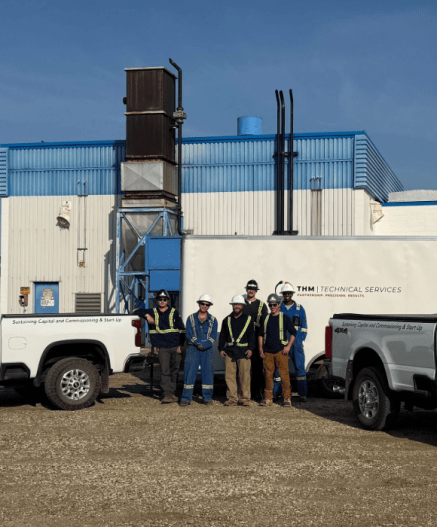
The toughest challenge in sustaining capital programs isn’t writing the scope or securing the budget. It’s having the right people ready to execute when the outage window opens. As midstream infrastructure matures, more capital shifts toward reliability work inside existing facilities: compressor upgrades, instrumentation improvements, and facility modifications that happen around live assets. This brownfield work carries different demands than new construction. Success isn’t measured by completing the scope alone. It’s measured by returning systems safely back to operations, ready to run, within tight timelines that leave zero room for error. THM Technical Services invests heavily in building experienced teams that can step into live facilities and execute with precision because titles and certifications don’t complete projects. People do. And in an industry where the gap between planning and execution often comes down to workforce availability, having the right teams built before the outage starts makes all the difference.
The Workforce Challenge Driving Sustaining Capital
Scope planning has never been easier. Most operators know exactly what needs upgrading, replacing, or improving. The challenge is finding crews capable of executing that work inside live facilities under operational constraints that don’t exist in greenfield construction.
Why Workforce Availability Beats Scope Clarity:
| Planning Element | Execution Reality |
| Scope is well-defined | Qualified crews are fully booked |
| Budget is approved | Timeline depends on team availability |
| Outage window is scheduled | No backup if primary crew can’t mobilize |
| Equipment is procured | Installation delayed waiting for experienced personnel |
The bottleneck isn’t what needs to be done. It’s who can do it safely, quickly, and correctly inside an operating facility where mistakes have immediate consequences.
What Makes Brownfield Work Different
Brownfield construction teams operate under constraints that don’t apply to new builds. Every decision happens around live assets, production schedules, and existing infrastructure that can’t be moved or shut down completely.
Unique Demands of Live Facility Work:
- Tight outage windows measured in hours, not days or weeks
- Live asset proximity where mistakes create safety and production risks
- Existing system integration requiring knowledge of what’s already there
- Zero tolerance for startup delays that push production timelines
- Operational coordination with facility teams who can’t stop their work
These constraints mean brownfield construction teams need more than technical skills. They need facility awareness, operational discipline, and the experience to execute under pressure without cutting corners. New crews learning on the job don’t work in this environment. The timeline doesn’t allow it, and the risk profile won’t tolerate it.
For organizations managing this type of work, understanding how sustaining capital projects require specialized team capabilities is critical to consistent execution.
Why Teams Are Built Long Before the Outage
Great execution doesn’t start when the outage window opens. It starts months earlier when experienced personnel are identified, scheduled, and prepared for the specific demands of the project.
What Pre-Outage Team Building Looks Like:
- Crew selection based on proven live facility experience
- Safety training specific to the facility and scope
- Pre-planning coordination with operations and reliability teams
- Equipment familiarization so crews understand what they’re working on
- Contingency planning for scenarios that could extend the outage
This preparation creates certainty. When the outage starts, teams know the facility, understand the scope, and have clear roles. There’s no learning curve during the execution window. That readiness protects both the timeline and the outcome.
Organizations serious about minimizing downtime should explore how commissioning and start-up services extend this discipline through final handover.
The Cost of Wrong Teams in the Wrong Place
Putting inexperienced crews into brownfield work doesn’t just slow projects down. It introduces safety risks, quality issues, and operational disruptions that compound over time.
Impact of Inexperienced Teams in Live Facilities:
| Problem | Consequence |
| Lack of facility awareness | Safety incidents, near misses |
| Slower execution | Extended outages, lost production |
| Quality gaps | Rework during or after startup |
| Poor operational coordination | Conflicts with facility teams |
| Startup issues | Delayed return to service |
The cost of these problems far exceeds the premium paid for experienced brownfield construction teams. One extended outage or startup delay erases any savings from choosing cheaper, less experienced crews. The math is simple: paying for the right people upfront costs less than fixing the problems that inexperienced teams create.
Where Reliability Actually Starts
Reliability engineering can design the best upgrades. Maintenance teams can plan perfect schedules. But if the execution teams don’t deliver quality work that’s ready to run when it’s returned to operations, reliability suffers.
How Teams Drive Long-Term Reliability:
- Proper installation that meets specs and doesn’t introduce new failure modes
- Complete testing that verifies systems before return to service
- Clean turnover with documentation that supports future maintenance
- Operational readiness so facilities can run confidently from day one
Reliability doesn’t come from equipment alone. It comes from the people who install, test, and commission that equipment. When brownfield construction teams execute with discipline and experience, the asset performs as designed. When they don’t, reliability issues surface weeks or months later, often at the worst possible time.
Frequently Asked Questions
What makes brownfield construction teams different from greenfield crews?
Brownfield construction teams work inside live facilities with tight outage windows, existing infrastructure, and operational constraints. They need facility awareness, faster execution capabilities, and the discipline to work safely around live assets. Greenfield crews operate on open sites with fewer constraints and longer timelines, which requires different skills and mindsets.
Why is workforce availability a bigger challenge than scope planning?
Most operators know what work needs to be done. The challenge is finding experienced crews available when the outage window opens. Qualified brownfield construction teams are in high demand, often booked months in advance. Without the right people, even well-planned projects get delayed or executed poorly, leading to cost overruns and extended downtime.
How should operators prepare teams before an outage?
Operators should identify experienced personnel early, conduct facility-specific safety training, coordinate pre-planning with operations teams, and ensure crews understand the scope and equipment before the outage starts. This preparation eliminates learning curves during execution and reduces the risk of delays or quality issues.
What risks do inexperienced teams introduce in live facility work?
Inexperienced teams increase safety risks, execute more slowly, create quality gaps that require rework, and struggle with operational coordination. In live facilities, these problems compound quickly, leading to extended outages, startup delays, and potential safety incidents that experienced brownfield construction teams would avoid.
How do teams impact long-term asset reliability?
Teams determine whether upgrades are installed correctly, tested thoroughly, and ready to operate reliably from day one. Poor execution introduces failure modes, creates maintenance issues, and reduces the effectiveness of reliability investments. Experienced teams deliver work that performs as designed, supporting long-term uptime and asset integrity.
People Execute Projects, Not Plans
Sustaining capital programs succeed or fail based on the teams executing the work. Scope planning matters, but it’s secondary to having experienced brownfield construction teams ready when the outage window opens. As midstream infrastructure matures and more work shifts into live facilities, the competitive advantage goes to operators who build strong teams long before the wrench turns. Great execution starts with great people, and reliability starts with the crews doing the work.
If your next project involves brownfield work, tight outage windows, or reliability upgrades inside live facilities, it’s worth working with a team that’s been built for exactly that challenge. Contact THM Technical Services at 780-309-0660 or visit our Contact Page to discuss your workforce and execution needs.


 English